Adviser’s Note: The views, thoughts, and opinions expressed in this opinion article belong solely to the author and do not reflect the views of The Colt Chronicle Staff, Kinnelon High School, or its students and staff members.
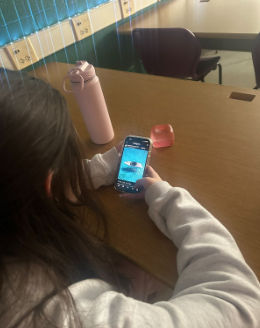
The first thing the average teen does when waking up in the morning is check their phone. Notifications pile up overnight from apps like TikTok, Snapchat, and Instagram. Social media is the priority, from saving streaks to liking posts to opening messages, it’s the thing that this age worries about keeping up with the most.
For many students at Kinnelon High School, social media isn’t just a form of entertainment; it is a part of their day-to-day lives. But as mental health and online safety concerns continue to be speculated, so does the question of whether there should be age restrictions on these social media apps.
Experts and educators from all over are re-evaluating whether the current age minimum of 13, set under the Children’s Online Privacy Protection Act, is enough. Some think it is, while others disagree. Many adolescents create social media accounts before they are 13, and use them without any of the safety settings included on the apps. Many people believe that stricter rules could help protect younger individuals from inappropriate content and from overusing social media in the future.
History teacher Anthony Colabella says, “I have absolutely noticed changes in student behavior and mental health that I believe are connected to social media use. There’s been an increase in anxiety, difficulty focusing, and a heightened sensitivity to peer opinions. I also see more conflicts starting online and then spilling into school, which disrupts the learning environment.”
Research backs these concerns. According to a 2023 advisory from the U.S Surgeon General, overusing social media is linked to the likelihood of depression and anxiety among younger users. Teens who spend three hours a day or more on social media apps are considered to be more likely to have more mental health issues than others.
Not just adults, but students are concerned as well. Junior Alexandra DeAngelo thinks that restricting the age limit can help pre-teens avoid pressure and other challenges faced with social media early on.
“In middle school, everyone started to obsess over likes and followers, and it changed how people acted. I wish that didn’t start so early.”
In contrast, sophomore Isabella Loria feels that social media helped her build friendships and stay connected, especially during the pandemic.
“If there were an age limit restriction, I might have missed out on building those connections with people.”
This disparity emphasizes the issue that social media isn’t initially looked at as harmful, but how and when it is used plays a huge part in whether it becomes a real issue. Social media has a lot of attention-grabbing content; it is designed to engage users and keep them hooked. For younger users, it can expose them to unrealistic expectations and standards before they are ready to process them correctly.
Colabella says, “In my opinion, students are not truly ready to responsibly use social media until at least 16 or even older. Maturity levels vary, but many younger teens struggle with impulse control, understanding long-term consequences, and separating online personas from reality.”
The concern isn’t specifically the age; it’s about being ready. Social media is a big part of most people’s everyday lives, keeping strong connections and relationships with people through these apps. And with these social media benefits come several risk factors if exposed too early. Just raising the age limit by a few years can do a lot.
The goal isn’t to take away something from adolescents as a disciplinary measure. It’s to ensure that they are at the appropriate age and mature enough to properly use social media apps. Social media will continuously evolve, but the responsibility to use it safely starts with both the social media apps and the people using them.
Video: Social media and its effects on youth development and mental health (CBS Mornings)