Adviser’s Note: The views, thoughts, and opinions expressed in this opinion article belong solely to the author and do not reflect the views of The Colt Chronicle Staff, Kinnelon High School, or its students and staff members.
Morris County is ranked as having the second-highest quality public schools in the state. Yet the success of its students and teachers can be deceiving, as its districts are now suffering from financial strain and inflation.
Due to a high median household income (around $137,600) and lower enrollment, Morris County public schools receive limited state aid, as the revised funding formula prioritizes underfunded districts, commonly in urban areas. Under normal circumstances, property taxes would guarantee school funding. However, this revenue is currently failing to meet district needs.
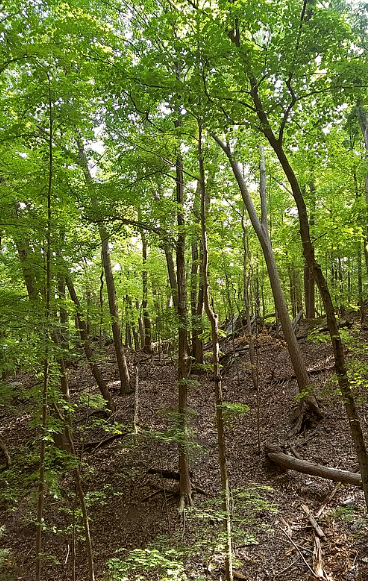
The Highlands Water Protection and Planning Act, passed in 2004, protects about 400,000 acres of public trust resources in the Highlands region of New Jersey, which includes 70% of the state’s drinking water. In Morris County, 32 of the 39 municipalities are affected by the Highlands Act, and schools continue to struggle. Nonetheless, as state aid begins to dwindle for many districts, with few seeing notable increases. Jefferson Township, for example, is projected to lose up to $1 million in state aid for 2026, contributing to a deficit of almost $3 million.
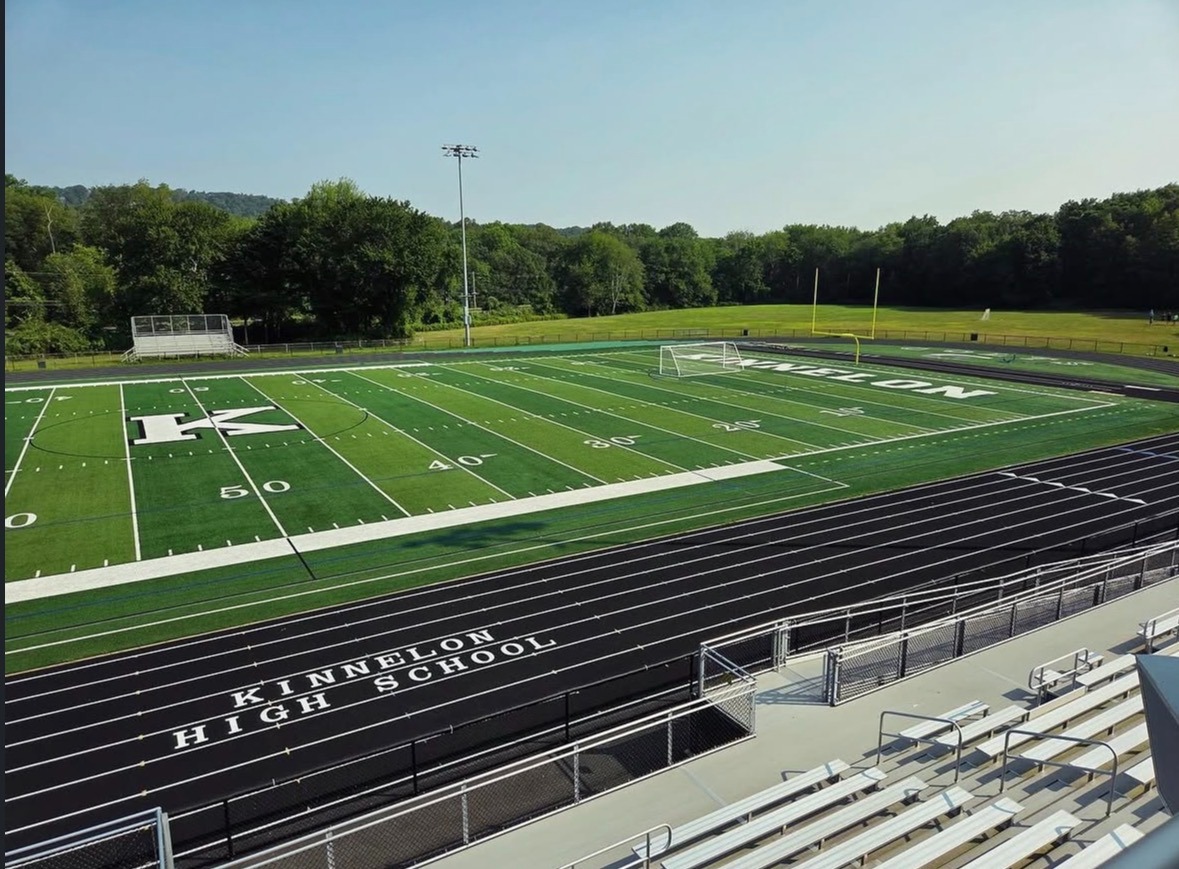
The Jefferson school district has made critical cuts to staffing, transportation, professional development, and instructional technology already, hoping to accomodate to the financial changes. In fact, Jefferson considered eliminating high school sports, extracurricular/after-school programs, and courtesy busing. Jefferson’s situation is dire, and in recent years, they’ve closed multiple school buildings and terminated upwards of 100 staff positions.
This is all very frustrating, especially because 88% of Jefferson Township’s land area – about 24,000 acres – is regulated by the Highlands Act.
It would be logical to assume that counties whose land is protected by the Highlands Act, and that provide for the state, deserve supplemental funding for their schools, according to Assemblywoman Aura Dunn.
Dunn, with Assemblyman Alex Sauickie, recently introduced a bipartisan school funding solution for districts restricted by the Highlands and Pinelands Acts. Named the Fairness for School Districts in Development Restricted Areas Act, the bill would aim to relieve municipalities that have been economically disadvantaged by critical conservation acts, granting them additional funding to support their schools.
“This isn’t about politics; it’s about a flawed school funding system that continues to cut aid to communities responsible for protecting our water,” said Dunn.
Some may argue that the state should not have to compensate the municipalities for the basic and incredibly important act of preserving their land and water, but this overlooks the economic and ultimately educational impacts. The students deserve more; they deserve fairness and adequate support from both their school and their state.
That being said, students are being robbed of an experience bountiful of resources, support, and funding for their education. Meaningful ways to act upon this issue are to contact NJ state legislators and urge them to support and push for the passing of the Fairness for School Districts in Development Restricted Areas Act. Other ways to help include informing others in communities and organizing/joining campaigns that support the movement for change and fairness.