Adviser’s Note: The views, thoughts, and opinions expressed in this opinion article belong solely to the author and do not reflect the views of The Colt Chronicle Staff, Kinnelon High School, or its students and staff members.
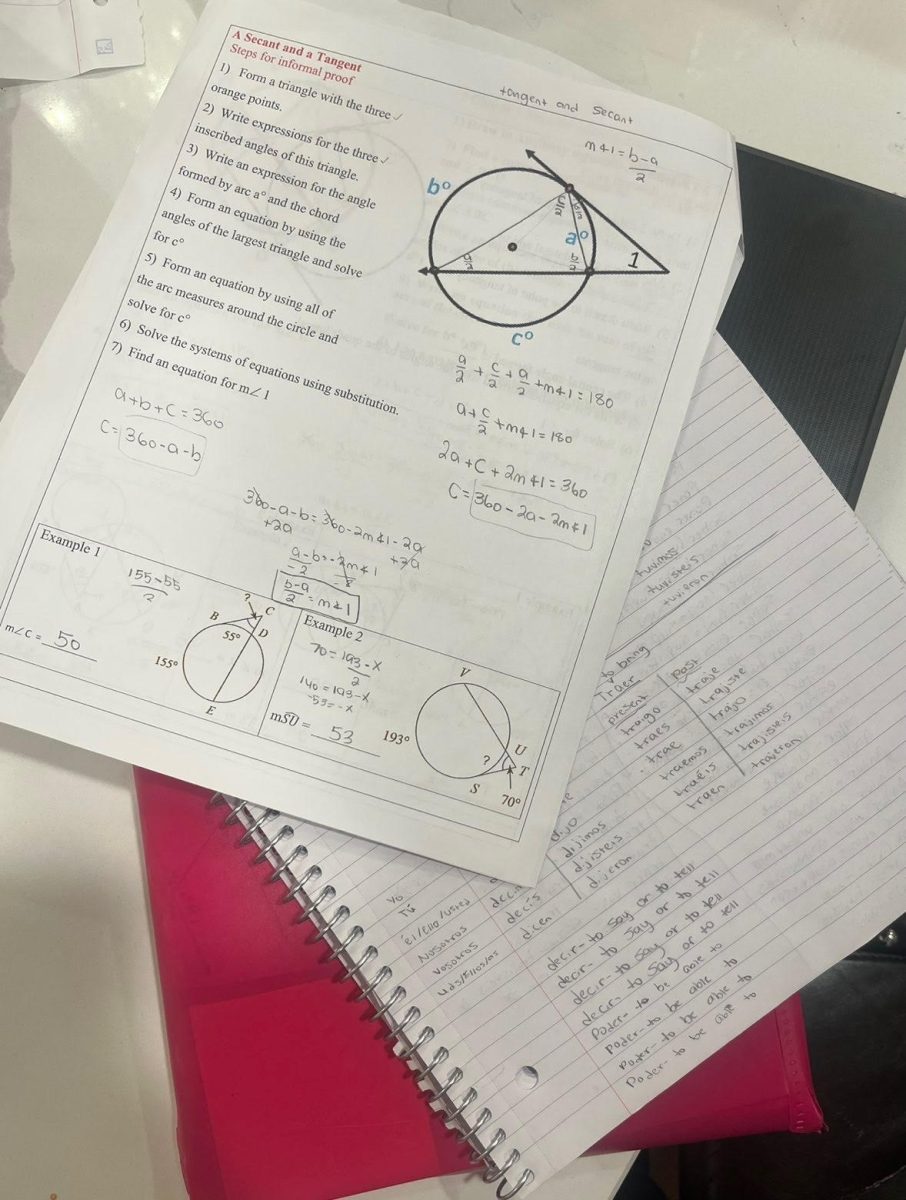
It’s 11:50 pm. Your math worksheet is half finished, your eyes sting from staring at a computer screen, and tomorrow’s alarm is only five hours away. This may seem like an unlucky night, yet it’s perfectly normal for most high school students.
While most schools use homework to reinforce material learned in class, the reality is that the constant pressure can spill over into students’ lives, leaving them with little to no time to enjoy their high school years. By looking into how the demands of homework impact students, it can be clearly seen that the amount of homework currently being given is taking a large toll on students’ mental health.
While many adults regard homework as “a part of growing up,” research shows that excessive homework can severely harm students’ well-being. The American Psychological Association said, “Researchers have cited drawbacks [to homework], including boredom and burnout toward academic material.” According to this, homework can be turned into a repetitive and tiring task instead of a learning material. When students become overwhelmed by too much work, they can lose interest in school and feel mentally drained rather than engaged.
Additionally, homework cuts into the time students have for extracurricular activities, family, and friends, which can harm emotional health. The National Society of High School Scholars tells readers that “excessive homework can make it difficult for them [students] to balance [extracurricular] activities, leading to a lack of engagement in hobbies that contribute to personal growth and well-rounded development.” When students miss out on vital experiences like clubs or sports, they lose chances to relax, build friendships, and enjoy life outside of the school’s walls. That lack of balance can cause students to feel isolated and stressed, especially when schoolwork starts replacing the things that normally help them relax.
Some people may argue that homework builds responsibility and helps students practice important life skills. A reasonable amount of homework can help reinforce lessons, improve students’ time management skills, and prepare students for tests or quizzes. However, the problem does not lie with homework itself; it is the amount of work students are expected to complete each night. When every class assigns long tasks, the combined result leads students to feel overwhelmed instead of motivated. A study done at Stanford University shows that “56 percent of the students considered homework a primary source of stress.” If homework is supposed to help students learn and grow, it should not leave them exhausted and discouraged.
Schools and teachers should take this issue seriously and consider limiting homework, especially in AP or Honors courses that already have a heavy workload. Teachers can still have meaningful assignments without giving work where students consequently lose sleep and bear the burden of constant academic pressure. A few homework-free nights and more in-class practice can help students stay healthy while still learning. Education should challenge students, but should not cost their mental health.