Adviser’s Note: The views, thoughts, and opinions expressed in this opinion article belong solely to the author and do not reflect the views of The Colt Chronicle Staff, Kinnelon High School, or its students and staff members.
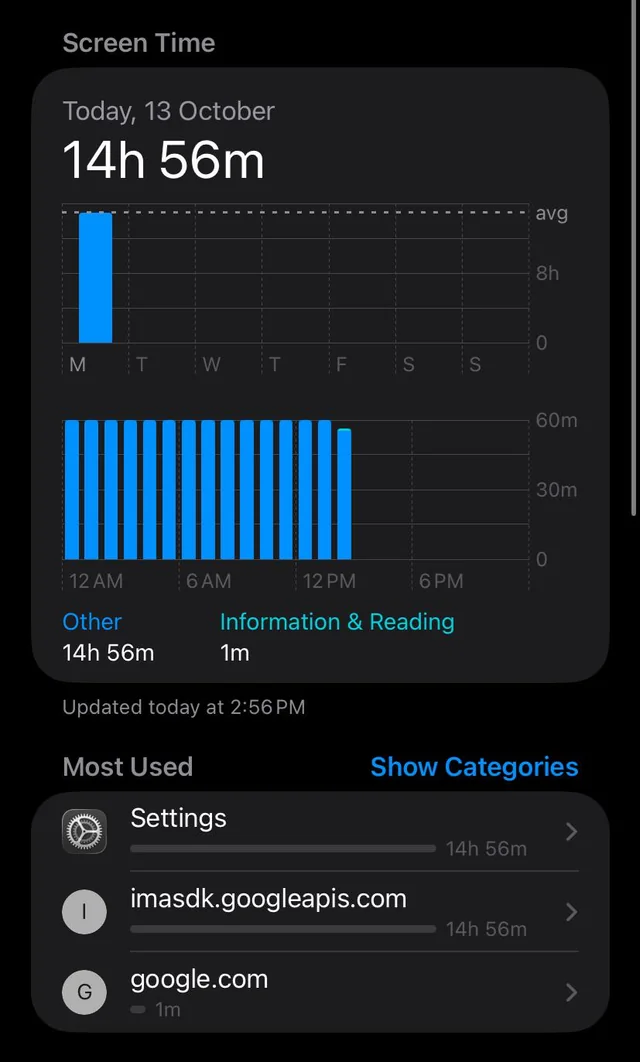
A phone screen lights up a dark room long after midnight. A teenager scrolls past hundreds of posts: filtered selfies, highlight reels, perfect vacations–each one blending into the next. The app says “just a few more minutes,” but the clock says otherwise.
While social media was created to connect people, research from major universities shows it may also be affecting teen mental health in serious ways. Studies from Yale University, Stanford Medicine, and the American Psychological Association (APA) all suggest that heavy social media use is linked to higher levels of anxiety, depression, and low self-esteem among teenagers.
Researchers at Yale Medicine explained that “social media is associated with both benefits and risks for adolescent mental health,” and the impact often depends on how teens engage with it. The research also said that “problematic use patterns are linked with worse mental health outcomes,” especially when teens use social media for long periods of time or rely on it heavily for validation. This shows that while social media is not automatically harmful, the way it is used can strongly affect mental health. For many teens, constant scrolling and comparison can slowly build stress without them even realizing it.
The APA also reported how deeply social media can affect self-image and emotional health. The APA stated that “social media use is associated with body image concerns, self-esteem issues, and depressive symptoms in adolescents.” This means that the more time teens spend online, the more likely they are to compare themselves to others who often appear happier, more successful, or more confident than they actually are in real life. Over time, this constant comparison can lead teens to feel like they are not doing enough or not “good enough,” even when their lives are completely normal. The APA emphasizes that this type of exposure can shape how teenagers view both themselves and the world around them.
Stanford Medicine also warned that while social media can have positive effects, overuse creates real risk for teenagers. They explained that “excessive use of social media may contribute to sleep disruption, emotional stress, and reduced attention span in adolescents,” especially when it is used late at night or without limits. This is especially important because many teens use social media right before bed, disrupting sleep, leading to fatigue, irritability, and increased stress.
However, some people argue that social media helps teens stay connected with friends, find communities where they feel accepted, and express creativity in ways that were not possible before. For some people, it can even provide emotional support when they feel alone in real life.
Still, research shows that problems become more likely when social media use is excessive or uncontrolled. With most teenagers using social media every day, exposure to both positive and negative effects is constant, which makes balance extremely important.
Social media is not going away anytime soon, but understanding its impact is important. Experts suggest setting time limits, taking breaks, and avoiding phone use before bed to help reduce negative effects and support healthier mental habits.