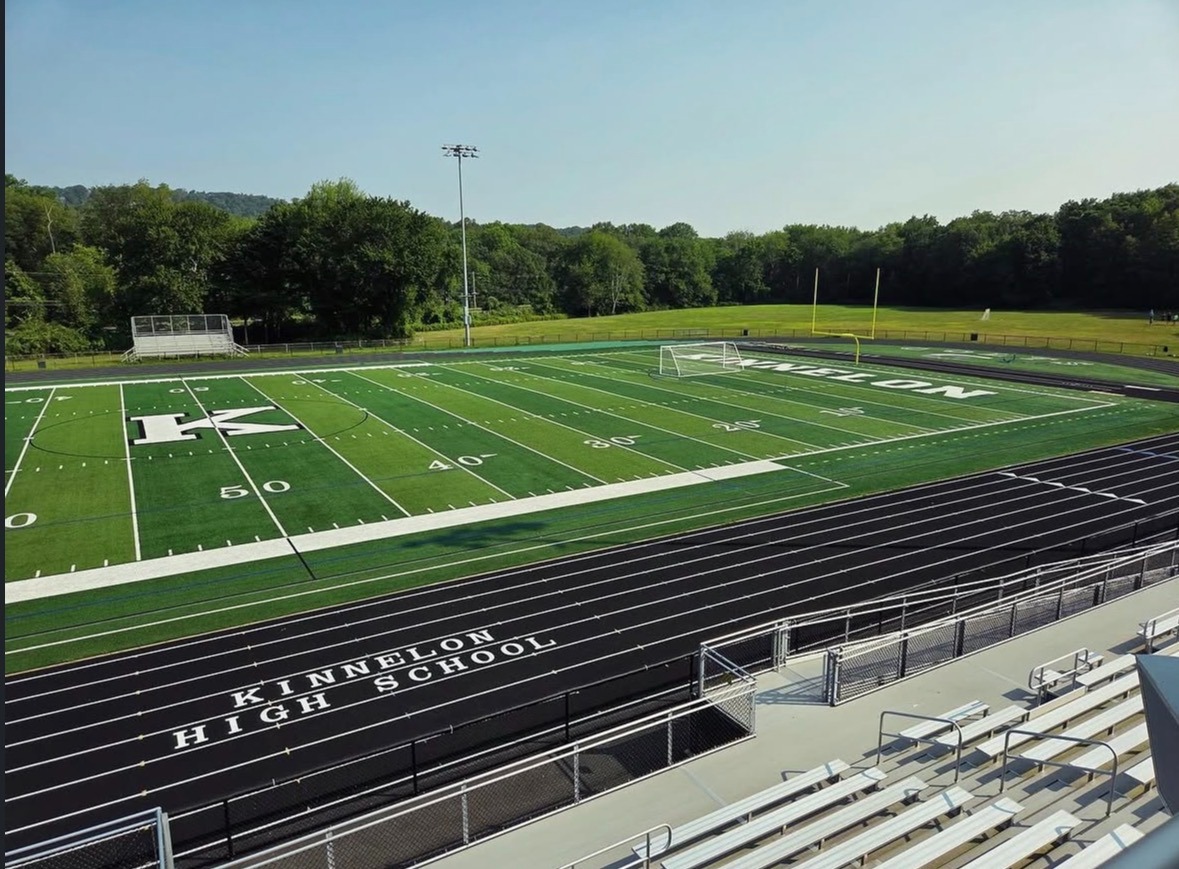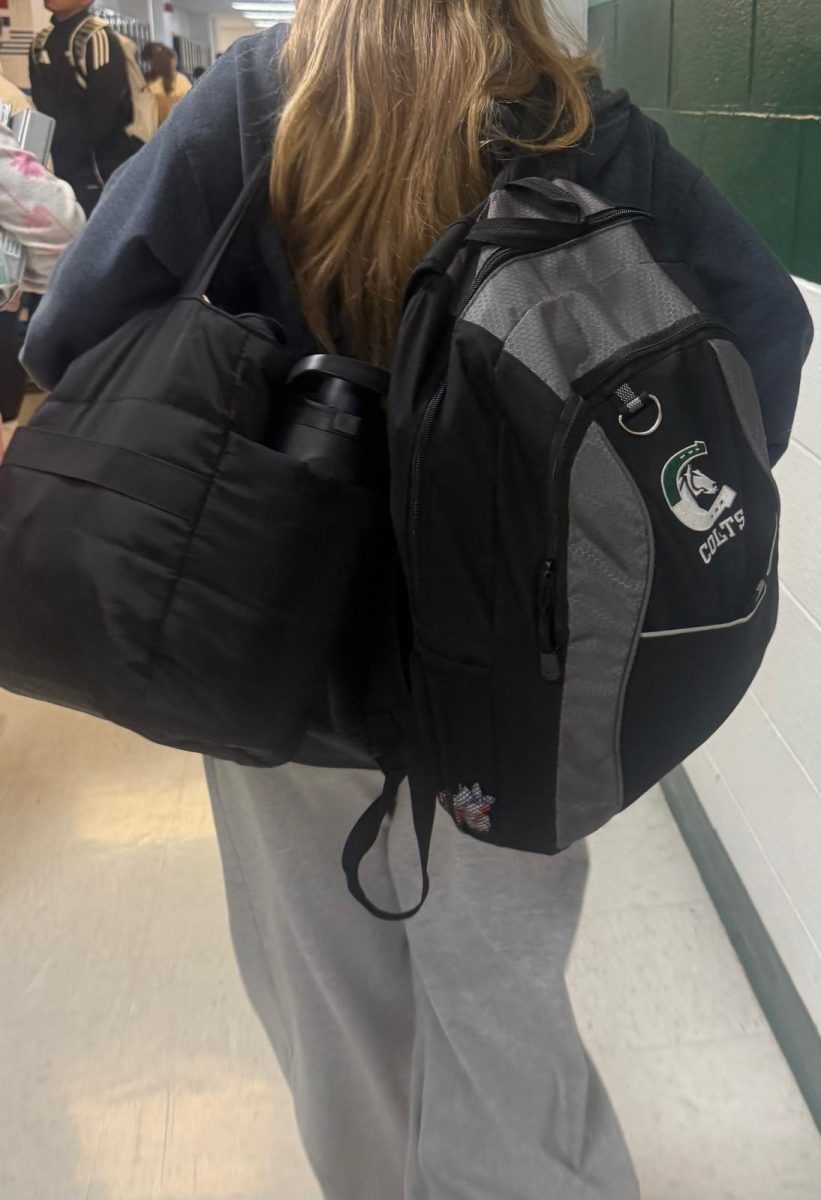
As the final bell rings, most students head home to relax, but for student-athletes, the day is far from over; continuing with hours of practice, workouts, and games that demand both physical and mental endurance.
Despite their demanding schedule, high school athletes are required to participate in physical education during the school day, where they are forced to physically perform, adding strain to their already overworked bodies. With KHS considering Option 2 physical education (phys-ed), the program allows athletes who complete at least 150 minutes of physical activity a week to opt out of their phys-ed class.
Student-athletes often exceed the recommended amount of weekly physical activity through their sports alone. According to the Centers for Disease Control and Prevention (CDC), adolescents should get at least 60 minutes of physical activity per day. State guidelines for New Jersey require even less than this, requiring only 150 minutes per week. These same athletes get at least 600-900 minutes of activity per week, making additional phys-ed participation a repetitive chore rather than beneficial.
Beyond redundancy, additional physical demands can negatively impact an athlete’s health. Research in sports medicine has shown that overtraining in young athletes increases the risk of fatigue, injury, and burnout. According to the American Academy of Pediatrics, overuse injuries account for nearly half of all sports injuries in middle and high school. When athletes are pushed beyond their physical limits without sufficient recovery, their performance and long-term health can suffer. Option 2 phys-ed acknowledges the importance of balance by reducing unnecessary physical strain.
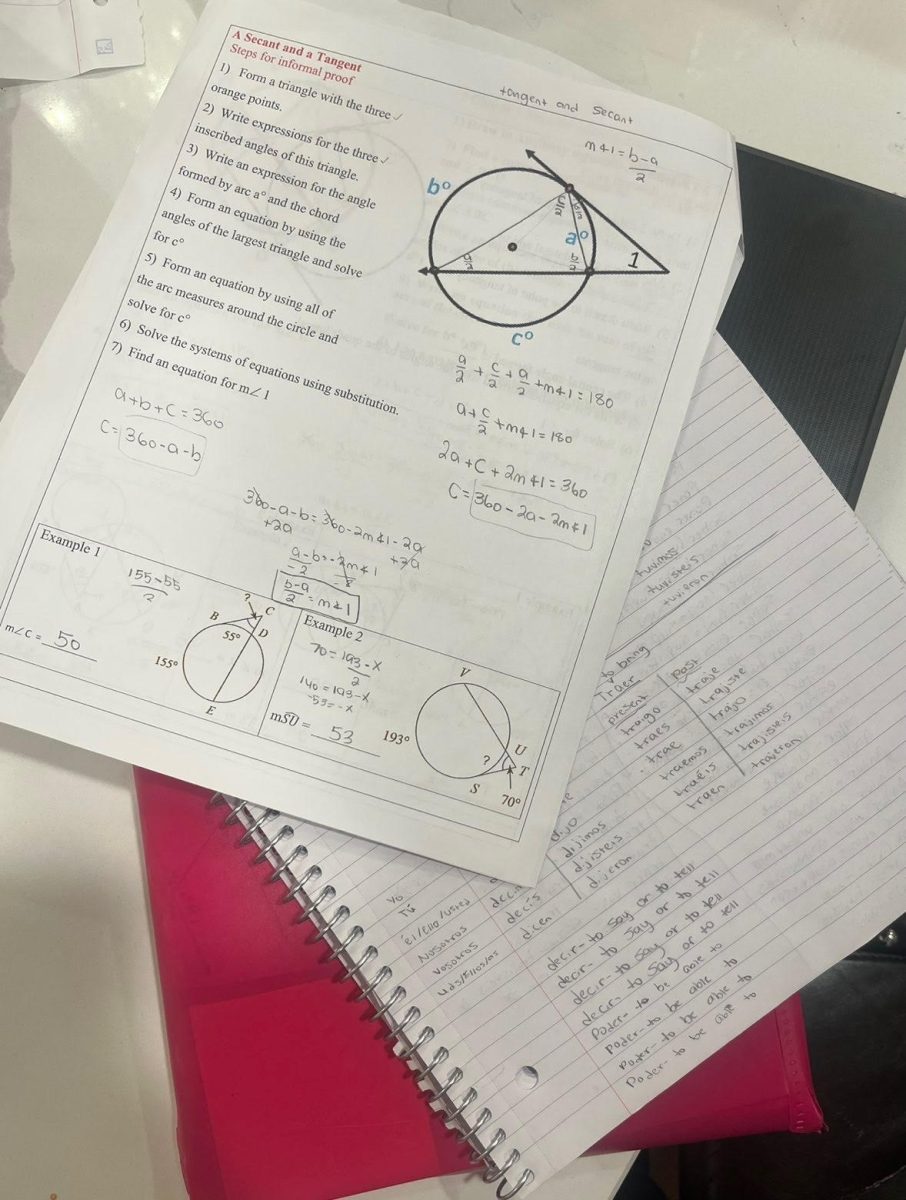
In addition to physical demand, athletes must manage rigorous academic schedules. Freshman tri-season athlete, Emily Vetter, explained, “Managing my schoolwork is a big stressor for me as an athlete, after already training for up to 10-12 hours per week, it is hard to find time to prioritize schoolwork.” As a student enrolled in honors-level classes, Vetter emphasized that allowing athletes to opt out of phys-ed and instead take a study block would allow them to complete assignments and study for upcoming exams.
Some critics argue that removing physical education for athletes could take away important benefits for the students’ health. Phys-ed teacher Stephanie Finke said, “Physical Education focuses on overall health and wellness; removing PE would result in a loss of important opportunities for social interaction and emotional well-being.” It is understandable that straying away from this traditional system is uncertain and seems risky. However, while these concerns highlight the value of traditional phys-ed, student-athletes already experience many of these benefits through team practices, competitions, and daily interactions with teammates. The structure of organized sports provides opportunities for collaboration and communication in ways that a phys-ed class could not provide. Option 2 phys-ed would not hinder a student-athlete’s overall development, but instead allow them to manage the physical and academic demands that they already face.
Student-athletes already go the extra mile, on the field, in the classroom, and in their daily routines. Option 2 simply provides them with all the resources to further excel in both athletics and academics without any unnecessary obstacles. By implementing this policy, Kinnelon High School would be taking a meaningful approach towards a more modern and student-centered approach to education.