When scrolling through social media, the same few outfits keep coming up every two videos, leaving the impression that everyone is dressing in fads and trends.
Social media creates new outlets every day, offering lots of different avenues and content to viewers, but people should just follow their own interests.
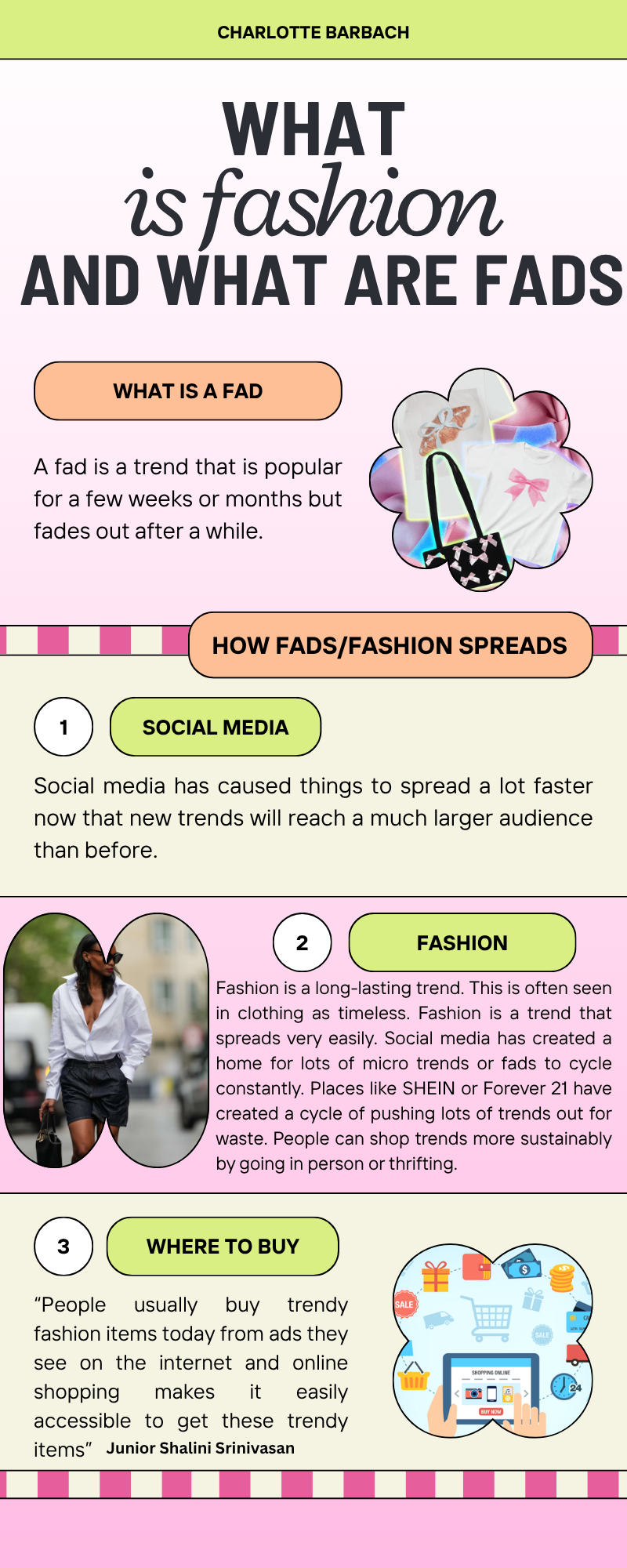
Fast fashion also contributes to the spread of fads. Influencers create buzz around trends, and make them popular, or a higher-end brand creates an item, Shein or brands of this nature immediately rip it off in an unsustainable way.
Social media and fast fashion are just one of the many ways fads progress. Peer pressure is another large factor. Junior Sophia Anker adds, “Peer pressure definitely affects and influences the way people dress because they are influential people. People are likely to follow what these people do and do it themselves.” Individuality is lacking on the internet and on social media, and in people’s everyday lives. Seeing a trend in person wearing it pressures the purchase of the trend.
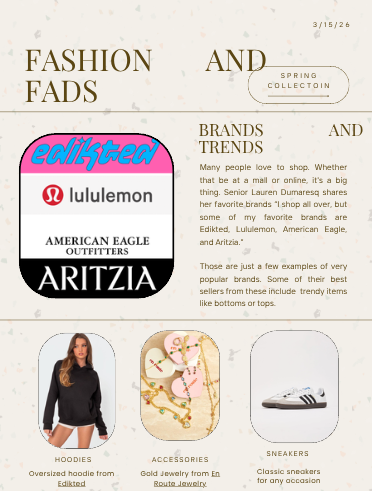
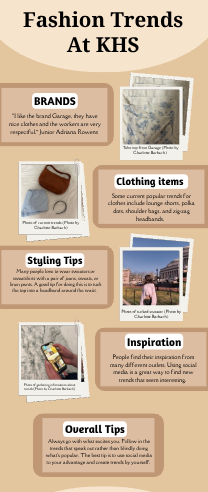
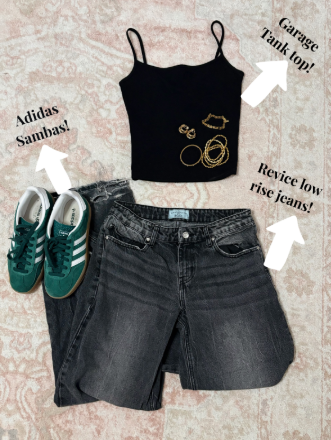
Some trends on social media consist of low-rise jeans, sneakers, lots of jewelry, and shoulder bags. Brands many are shopping at are Garage, Aritzia, Revice, and Motel Rocks. These brands are extremely popular and complete the cycle of fads.
Overall, social media combined with fast fashion makes it easier to create or partake in fads, but decreases individuality. There’s a lot of pressure on people to follow trends wherever they come from. Creators like Sophia Silva try to create outfits that stand out, no matter what’s currently trending. As fashion continues to develop each week, people or students can take part or decide to stray away.