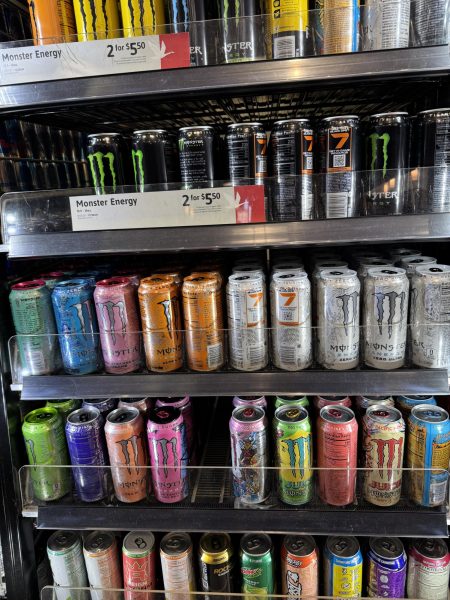
Caffeine overconsumption has become a rising concern among teenagers today. New brands like Alani Nu and Celsius, known for being sugar-free and low-calorie, contain around 200 milligrams of caffeine per can. With their seasonal flavors, colorful designs, and trendy marketing, these drinks have quickly captivated younger audiences both online and in stores.
Energy drinks are especially popular among teens who need to stay awake and focused throughout the school day. They are also useful for people who work long hours and need an extra boost. Their portability and wide availability make them easy to access, and the wide variety of flavors offers something for everyone. For those who find coffee too strong or tea too bitter, energy drinks provide a sweeter, more appealing option.
Alani Nu was co-founded in 2018 by fitness influencer Katy Hearn and her husband Haydn Schneider in partnership with Congo Brands. Hearn, recognized for her health and wellness content, used her platform to promote the brand and connect with followers interested in fitness products. This approach helped the company grow rapidly, with success peaking in late 2024 and early 2025.
On Apr. 1, Alani Nu was sold to Celsius for $1.8 billion. After the sale, the brand began relying heavily on influencer marketing, featuring names such as Megan Moroney, Paris Hilton, Brittany Mahomes, and Kim Kardashian. Their recent post promoting the seasonal flavor “Witches Brew” received over sixty-two thousand likes, showing how quickly viral trends can spread.
With so much attention around these products, it has resulted in energy drinks becoming popular. KHS science teacher Vincent Passariello said he used to drink more of them than he does now. “I cut back a lot and used to drink two to three a day,” he said. “My favorites were small cans of Red Bull because the big ones tasted watered down. Now, I just drink coffee and that’s enough.”
Passariello said he doesn’t have any rules against energy drinks in his classroom, explaining that it’s a personal choice for students. “If you bought it or brought it from home, it’s fine,” he said. “You’re in high school. If you were younger, then no.” Though caffeine can help with focus, he said it also comes with side effects. “It made me very sleepy, irritated, and gave me some brain fog,” he said. “It didn’t help my memory or my health.”
Caffeine withdrawal is one of the most common side effects of overconsumption. It can also occur with coffee or other caffeinated drinks when consumed in large amounts. Symptoms can include headaches, irritability, drowsiness, changes in blood pressure, and difficulty focusing. The body begins to rely on caffeine for energy, creating a dependency that can feel like addiction. Gradually reducing intake is often the best way to let the body adjust back to normal.
Long-term overuse can also lead to increased anxiety, insomnia, restlessness, and nausea. In people with anxiety or panic disorders, caffeine can worsen symptoms by stimulating the central nervous system and triggering the body’s fight-or-flight response.
Still, caffeine isn’t all bad. When used responsibly, it can help with alertness and focus. Freshman Victoria “Tori” Creamer said she enjoys energy drinks because they provide additional energy on a slow day. Her favorites include White Monsters, Alani Nu, and Celsius. She said the effects are mostly positive because “they are yummy and make me energized.” Though she has experienced caffeine withdrawal, she said it wasn’t harmful enough to make her stop buying energy drinks.
In the end, energy drinks come with both benefits and risks. Their effects depend on moderation and personal preference. While they can offer a quick burst of energy, it’s important to drink them responsibly and stay mindful of daily caffeine intake.