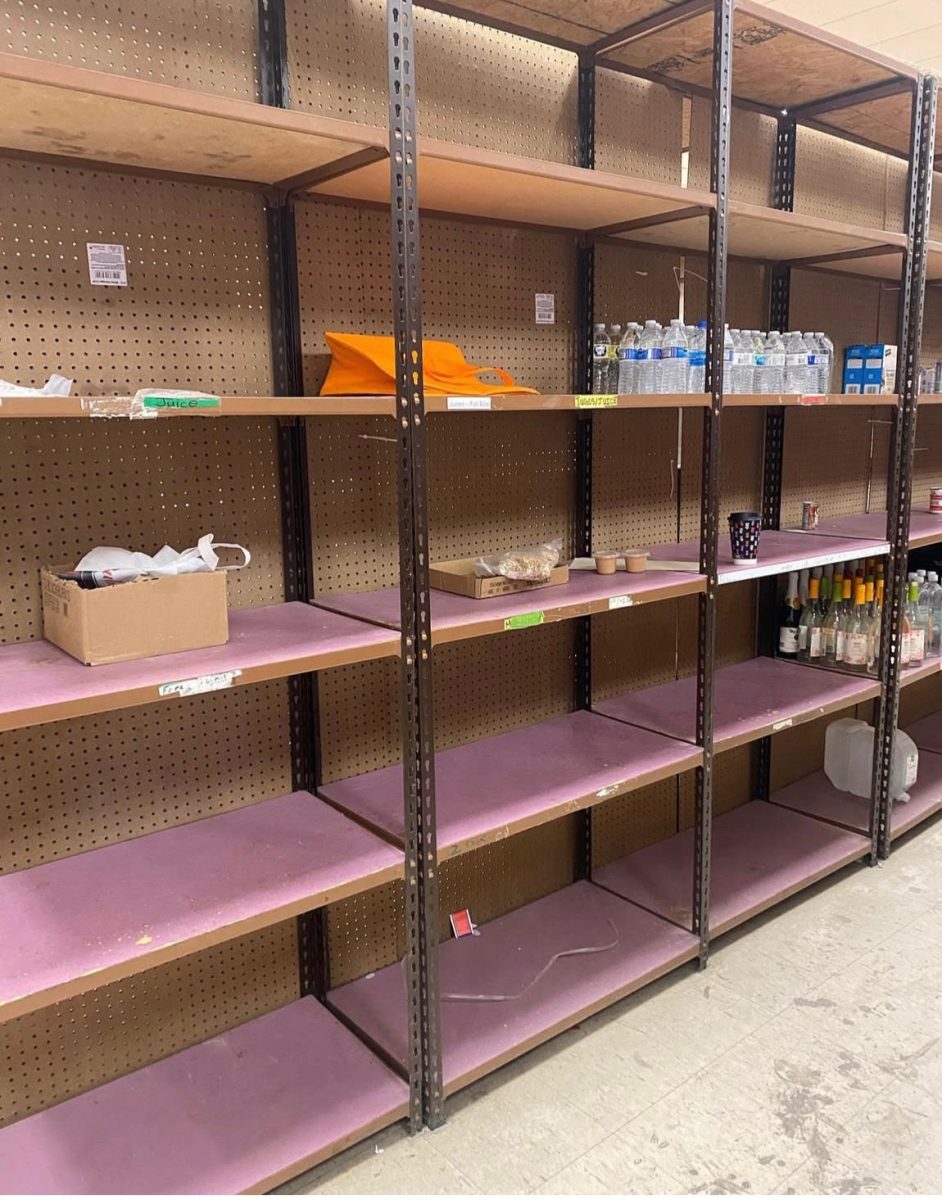
The most wonderful time of the year is followed by the most detrimental for many NJ food pantries. Many needy communities experience a surplus in volunteers during the holiday season, but once the New Year hits, shelves tend to go bare. While the holiday season is filled with enjoyable festivities, it’s also filled with increased spending that leaves lower-income areas seeking further assistance after the holidays. Post-holiday slumps are a destructive time for food pantries, with harsh consequences that leave communities struggling.
Winter leaves many families with economic burdens, leading them to seek assistance at food pantries. Many of these costs are heating for the cold weather, new warm clothing, and gifts; for many families, it also includes the lack of meals during winter break.
When the dismissal bell rings for break, hundreds of kids across NJ leave school anxiously awaiting trays full of gingerbread men, turkey, mashed potatoes, and other holiday favorites. About 37.6% of children will go hungry over the holidays as they rely on free school meals. In response to this reliance, NJ food pantries see increasing numbers of school-aged children seeking meals at food pantries.
Father English Food Pantry Owner Carlos Roldan sees this trend annually, “Around holiday break, many families with school-aged children come to the food pantry seeking meals that school would normally provide. It’s important to receive enough donations to meet the higher demand.”
The average cost to feed a family for one week is around $235. This high cost is not attainable for many NJ families, leaving them without enough food to last through winter break without food pantry assistance. Senior manager of marketing and communications for The Food Bank of South Jersey, Kori Rife, says, “The holiday season highlights the role of food in bringing families and communities together, but it also amplifies the stress for many individuals facing already stretched budgets.”
Food pantries typically face higher donation rates during the holiday season because people are encouraged to give back. Food pantries are now experiencing lower productivity rates during the time of year when they normally thrive, and where they are most relied on. In a study by Divert, Inc., an impact technology company, 46 percent of respondents said they are more likely to donate to food banks during the holiday season. This same study shows that there was a 21% decrease in donations from the 2022 season compared to the 2023 season.
The number one reason for this is the increasing grocery prices due to inflation. Inflation heavily affects food pantries in NJ, and all around the U.S. New Jersey has seen an inflation rate of 3.8%. The U.S. overall rate is 2.4%. The constantly rising price of groceries makes it harder for volunteers to afford donations.
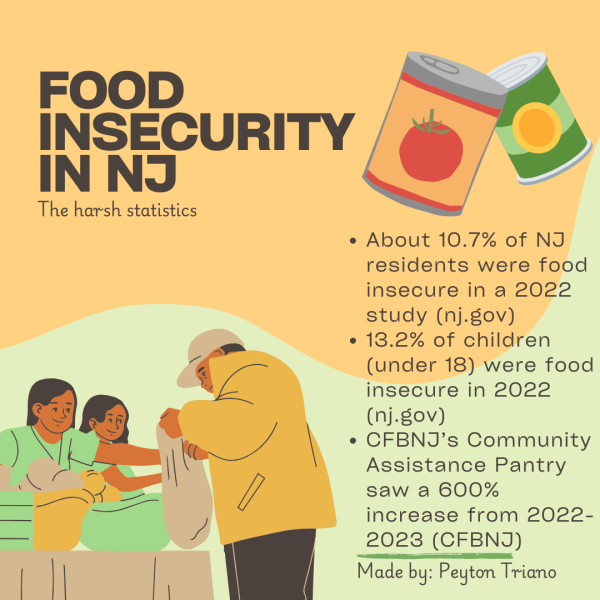
After the holiday season, when families are economically depleted from gifts, supplying food, heating costs, and other utilities, they continue to heavily rely on the food pantry. After the holidays, many food pantries can’t keep up with the high demand due to decreased donations. According to Pastor Chuck Corradino, the Kinnelon Food Pantry leader, “Donations are lower after the holidays, as many families aren’t financially stable enough to donate. This is a challenge as it’s hard to keep up with the demand from the recipients.