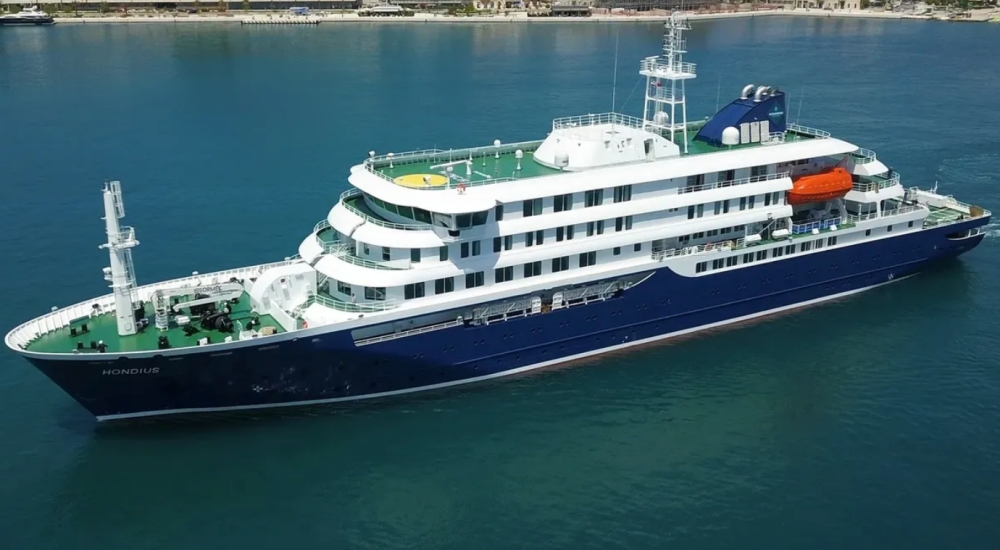
In April, an outbreak of the deadly hantavirus occurred aboard the MV Hondius cruise ship as the ship sailed from Argentina to Cape Verde. By early May, 11 cases were identified, nine of which were confirmed, resulting in three deaths as of May 12. Hantavirus is a rare disease carried by wild rodents, such as rats and mice, that causes severe and often fatal infections in humans. It is most commonly spread through breathing in particles from rodent urine, droppings, or saliva. In this case, the strain is identified as the Andes virus, which has limited person-to-person transmission.

While most strains of hantavirus cannot spread between people, the Andes virus has shown rare cases of human transmission after close contact for a long period of time. Sophomore Isabelle Myshkoff said, “Cruise ships already feel crowded, so an outbreak in a space that crowded got my attention.”
Symptoms of the hantavirus include flu-like signs such as fever, fatigue, headaches, muscle aches, chills, and dizziness. As the illness progresses, it can worsen significantly; infected individuals experience coughing and severe difficulty breathing because of fluid buildup in the lungs.
Many cases of hantavirus require emergency medical treatment and oxygen support because of the damage the virus inflicts on the respiratory system. Early diagnosis is extremely important, as the virus has a fatality rate of approximately 20-40%.
This outbreak gained attention from the public because passengers from different countries were aboard the ship. Many people online have expressed concern that this virus could lead to a pandemic similar to COVID-19. Despite public concern, the World Health Organization (WHO) and health officials noted that the risk to the general public is very low, as hantavirus does not spread rapidly or as easily as COVID-19.
Sophomore Siena Schneider said, “During COVID, I didn’t think quarantine would happen again. The idea of another virus scared me. It reminds me that another virus like COVID can happen.”
In the United States, there is currently no specific cure for hantavirus. Treatment typically involves supportive care for breathing and hydration. Prevention remains the best defense against hantavirus because treatment options are extremely limited. Schneider added, “The fact that there is no cure for it makes it unsettling because the only thing we can do is try to prevent it.”
Health experts recommend prevention methods such as covering holes in homes, storing food properly, and cleaning rodent-infested areas while wearing protective gear like gloves and masks. It is also vital that people avoid sweeping or vacuuming rodent droppings directly, as this can spread infected particles into the air.

KHS Junior Monica Jaroszkiewicz commented, “Learning about hantavirus through social media made me aware of how important it is to take outbreaks seriously. I was surprised that a virus from rats could affect so many people on a cruise.” Jaroszkiewicz also said, “I saw a lot of people joking about the virus on TikTok. When I knew people died from it, it became real.”
The outbreak serves as an important reminder to people of the importance of disease prevention. Health officials continue to monitor the passengers of the MV Hondius and study the proliferation of the virus to prevent future outbreaks.