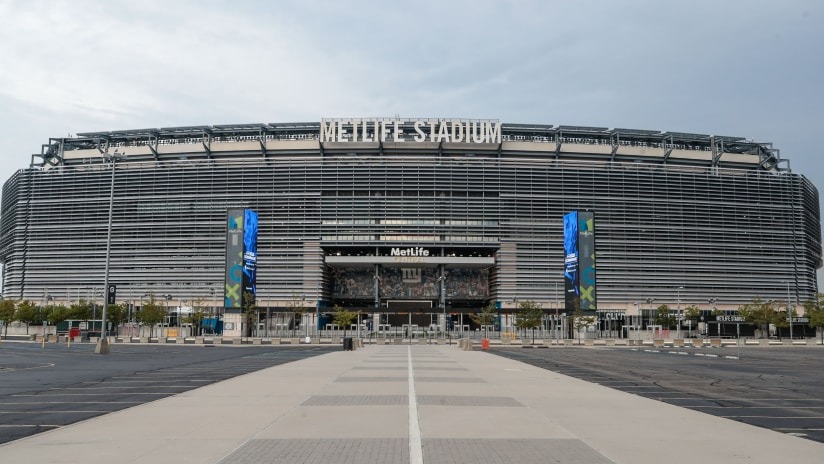
New Jersey is set to take on one of the biggest roles in global sports in summer 2026, as MetLife Stadium will host eight FIFA World Cup matches, including group-stage games, knockout-round games, and the World Cup final on July 19. For several weeks, the state will sit at the center of one of the most-watched sporting events in the world.
During the tournament, the MetLife Stadium will not use its corporate name, but will instead be referred to as “New York New Jersey Stadium”. This is in accordance with FIFA rules that require the removal of sponsorship branding from venues. The temporary change ensures that all stadium names used during the competition are neutral and consistent across host cities.
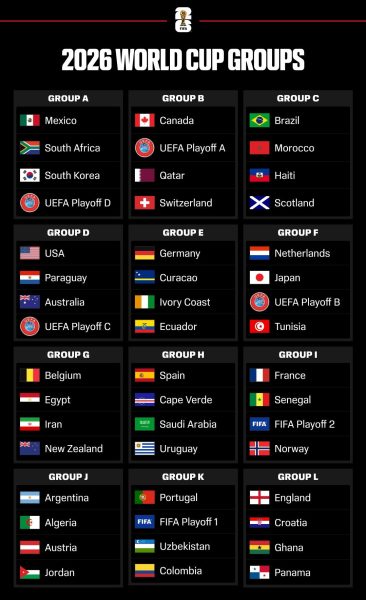
The 2026 FIFA World Cup will be the first World Cup ever hosted by three countries (the United States, Canada, and Mexico), and the first to include 48 teams instead of 32. The expansion is expected to increase global participation and bring millions of additional fans into host cities across North America.
But MetLife Stadium is no stranger to large-scale events. The venue has previously hosted Super Bowl XLVII and the Copa América Centenario Final, both of which brought major crowds and international media coverage to New Jersey. However, the 2026 World Cup final is expected to surpass both events in attendance and global viewership.
Beyond the stadium itself, New Jersey communities are also preparing for the economic impact of the tournament. Hotels, restaurants, and local businesses across northern New Jersey are expected to see a significant increase in visitors during the month-long event. According to the New Jersey Division of Travel and Tourism, officials have described the World Cup as “A major opportunity to showcase the state” to an international audience.
In addition to transportation improvements, state agencies, transit officials, and event organizers are working together to handle safety, crowd control, and emergency planning during match days. Planning efforts include expanded transit schedules, extra security checks at major entrances, and more staff stationed on busy roads to help traffic. Officials are also trying to make travel between New York City and northern New Jersey more efficient, since many visitors will likely stay in different parts of the region and travel to the stadium for matches.
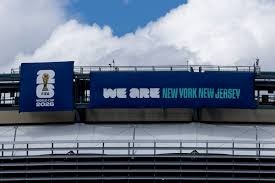
(Madeline DeJager)
With the increase in visitors, transportation has become one of the most important areas of planning in New Jersey ahead of the tournament. World Cup officials have confirmed that there will be no general parking available at the stadium on match days. Instead, most fans are expected to take trains or official shuttle services to reach the venue. According to NJ Transit, fans can expect to take the train through Secaucus Junction and transfer to the Meadowlands Rail Line for direct access to the stadium.
“I really want to go to a game because it’s probably the only chance I’ll ever have to see the World Cup this close to home,” said sophomore Olivia Kurzecki about the opportunity to attend a game. “It’s definitely a once-in-a-lifetime opportunity.”
Other students are already looking forward to the event and the energy it will bring to New Jersey. “I think that the World Cup being in New Jersey is exciting because people from all over the world who normally wouldn’t come to New Jersey will be coming here,” said sophomore Maggie Bialobok. “It’s exciting that New Jersey gets to host an event that has such a large audience.”
“I’m excited for the energy that will be in the state,” Sophomore varsity soccer player Isabella Vuturo said. “Even people who don’t usually watch soccer will want to watch because it’s such a huge event happening locally.”
Entertainment surrounding the final is also expected to draw global attention. FIFA recently announced that it’s planning the first-ever World Cup Final halftime show modeled after the Super Bowl. Artists performing will include Madonna, Shakira, and BTS. The addition of a halftime show reflects how the World Cup continues to expand beyond sports into a global entertainment event.
Fan experience is also expected to be a major part of the tournament atmosphere. “The FIFA World Cup is the most unifying event on Earth,” said Hugh Evans, CEO of Global Citizen. FIFA plans to organize official fan zones throughout the New York/New Jersey region, where supporters can gather to watch matches, attend cultural events, and experience local food and entertainment.
As the World Cup approaches, New Jersey’s role in the tournament is taking shape around the scheduled matches at MetLife Stadium. The weeks ahead will bring the event into focus as teams, officials, and fans prepare for the most-watched sporting event in the world.